Projects Making a Difference
Empowering communities through youth-led conservation, education, and sustainable livelihoods across Tanzania.


π Nkasi District, Tanzania
Protecting Lake Tanganyika
By Smart Youth Β· Kipili Sub-Office
Smart Youth, through its Kipili Sub-Office in Nkasi District, is actively working to protect Lake Tanganyikaβan essential source of food, income, and cultural identity for surrounding communities. The initiative responds to growing threats from illegal, unreported, and unregulated (IUU) fishing, which continue to undermine the lake's sustainability and local livelihoods.
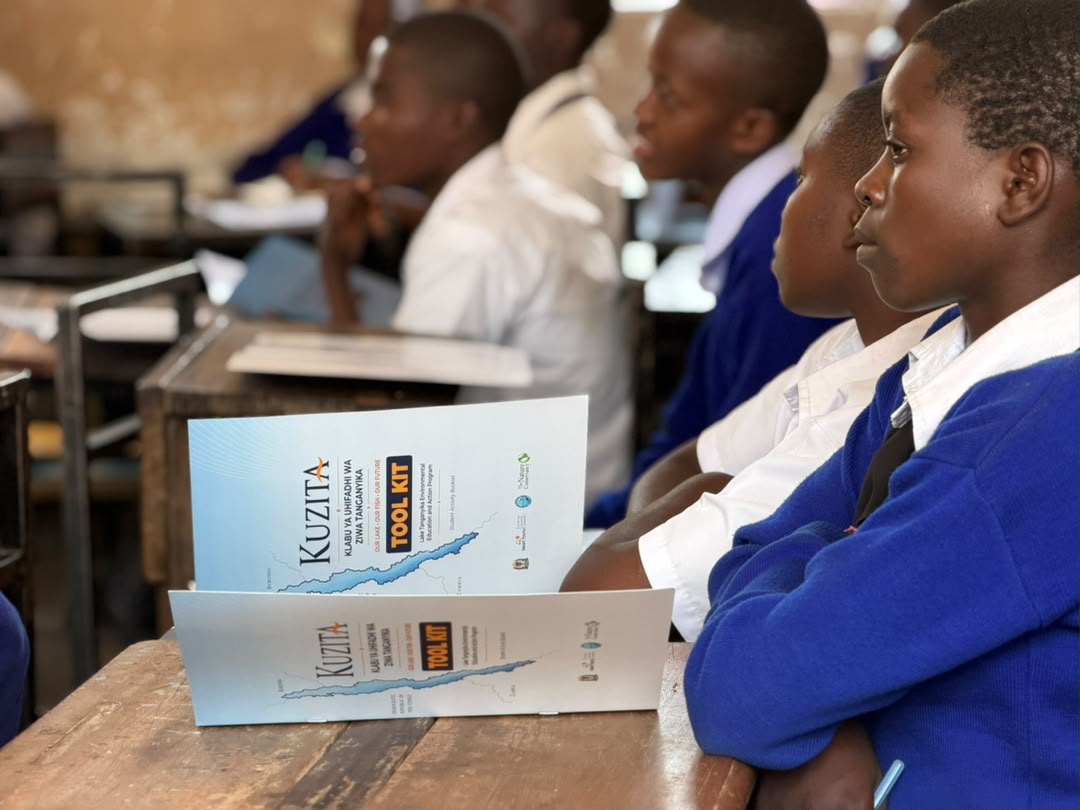
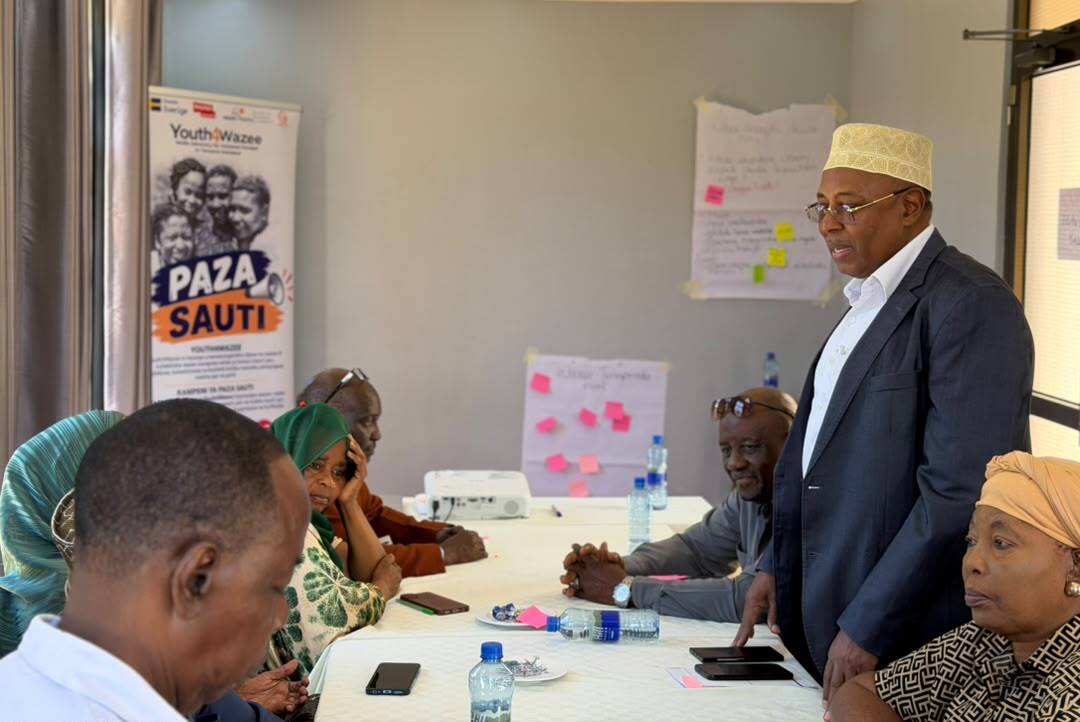
The project focuses on empowering youth and women as key agents of change in fisheries management. It uses participatory IEC approaches such as community dialogues, storytelling, sports, theatre, and peer learning to turn awareness into practical action.
Through these efforts, Smart Youth aims to reduce IUU fishing, strengthen local governance, and build more resilient coastal livelihoods β ensuring Lake Tanganyika remains productive and sustainable for future generations.
Through schools, Beach Management Units, and village leaders, knowledge is transformed into action. Supported by The Nature Conservancy, this work is empowering youth and communities to protect Lake Tanganyika for generations to come.
The Nature Conservancy


π Bagamoyo District, Pwani Region
Climate-smart Initiatives for Sustainable Coastal Youth and Women's Livelihoods
By Smart Youth Β· Bagamoyo
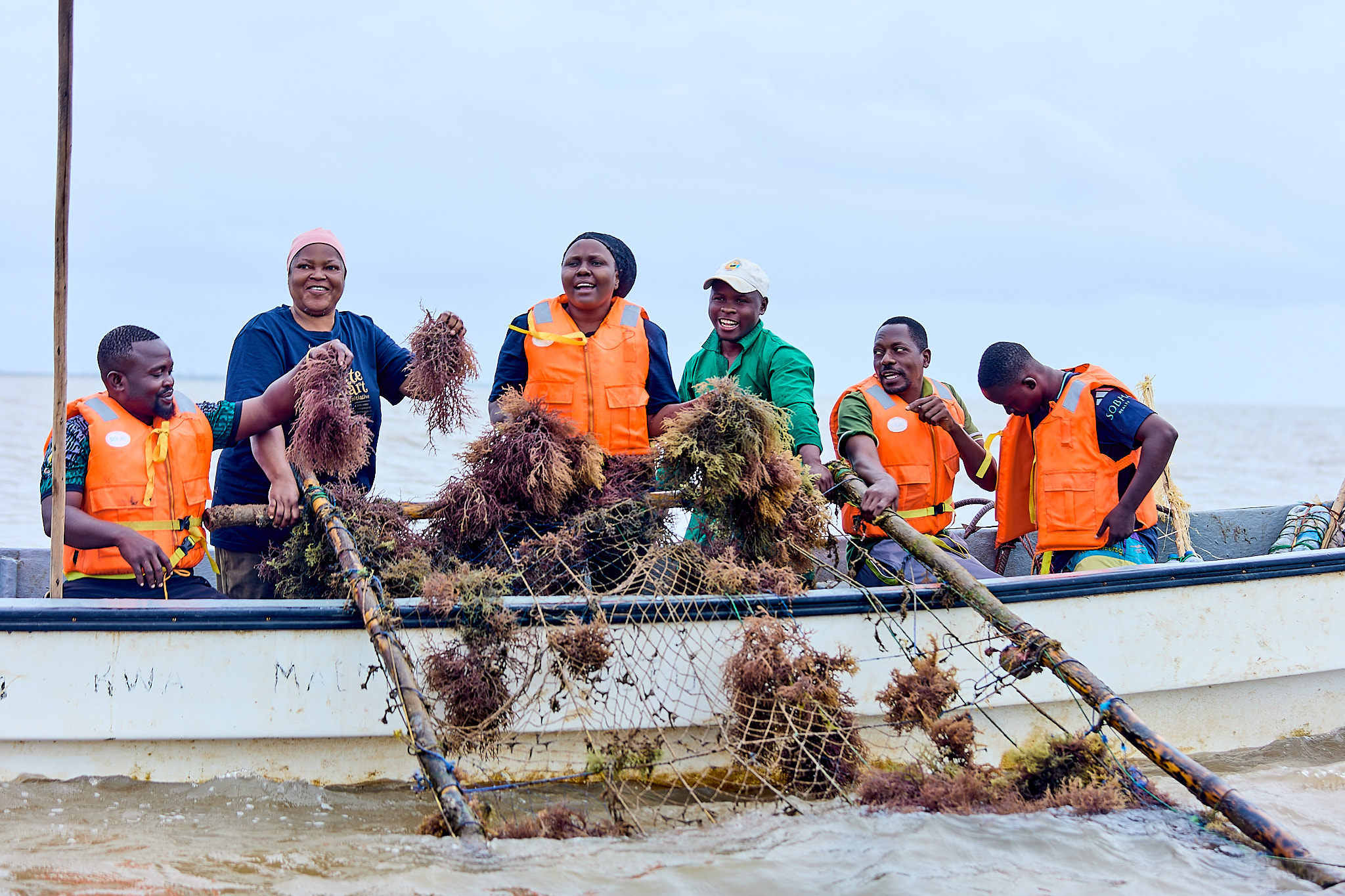
Bagamoyo is a coastal district in Tanzania's Pwani Region and home to Saadani National Park β the country's only park integrating both marine and terrestrial environments. Communities here face significant challenges due to climate change, increased resource extraction, and marine ecosystem degradation, threatening the livelihoods of villages including Pande, Saadani, Kaole, Kondo and Mlingotoni, where over 60% of households depend directly on marine resources.
This project promotes sustainable marine resource management and climate-smart income-generating activities. Strategic partnerships facilitate capacity building, income-generating groups, and financial inclusion via Savings and Loan Groups (VLS-VICOBA). Conservation activities such as mangrove reforestation and beach cleanups contribute to marine biodiversity restoration and climate change mitigation.
By integrating gender equality, disability inclusion, and community-driven conservation, the project equips youth, women, and people living with disabilities with skills in mariculture, ecotourism, and beekeeping. It aims to directly benefit 100 households and more than 32,000 people across five villages β including 50 women-led households and 10 households with persons with disabilities.
Coastal Conservation